Buyer Perception Factors in Property Viewings
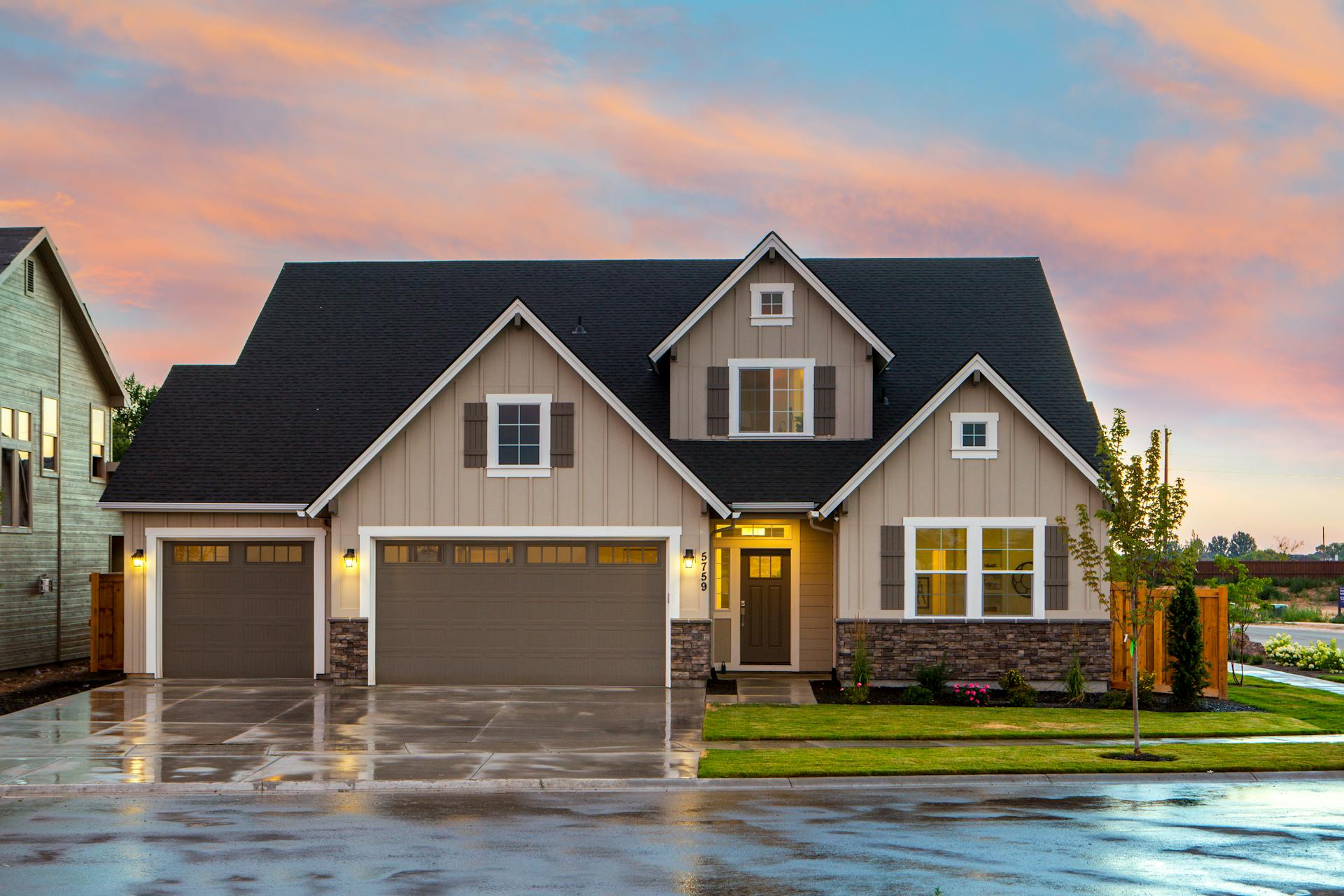
Initial property impressions during viewings significantly influence buyer interest and subsequent valuation perceptions, with windows contributing to overall presentation quality and maintenance standards inferred from visible condition. Prospective buyers form rapid assessments during property viewings, evaluating general upkeep, required maintenance, and whether properties meet contemporary standards expected within specific price ranges and locations. Windows feature prominently in these assessments due to visibility, quantity throughout properties, and recognized importance for thermal comfort and energy costs.
Visual condition affects buyer perception substantially. Clean, well-maintained modern windows with intact glazing, smooth operation, and quality frames suggest careful property maintenance and reduced immediate expenditure requirements. Conversely, deteriorated windows exhibiting damaged frames, failed paint protection, condensation between panes, or poor operation signal deferred maintenance potentially extending to other property elements, raising buyer concerns about overall building condition and undisclosed defects. Properties presenting poorly during viewings face reduced buyer interest regardless of underlying structural quality, with visible deficiencies disproportionately affecting perceived value compared to actual repair costs.
Architectural consistency matters within Scottish property markets. Windows appropriate for property age and style enhance overall aesthetic coherence - traditional sash windows suit Victorian and Edwardian properties maintaining period character valued by certain buyer segments, while modern casement designs align with contemporary housing expectations. Inappropriate window replacements including uPVC installations in otherwise traditional properties may negatively affect buyer perception among those seeking architectural authenticity, though practical buyers prioritizing thermal performance over aesthetics respond differently. Conservation areas and listed buildings face additional considerations where planning restrictions limit window alterations, affecting buyer expectations regarding achievable improvements and acceptable compromises between character preservation and thermal performance.
Street scene context influences individual property perception. Properties with modern windows in neighborhoods where most homes maintain similar specifications meet baseline expectations without conferring particular advantages, while properties with notably inferior or superior window quality relative to surrounding homes may experience comparative value effects. Buyers typically benchmark properties against nearby comparables, with significant quality variations prompting questions about pricing appropriateness or identifying properties as exceptional value or overpriced relative to neighborhood standards.
Visual Presentation
Clean, modern windows contribute to positive first impressions and suggest attentive property maintenance
Architectural Harmony
Windows appropriate for property style and era enhance overall aesthetic coherence and buyer appeal
Neighborhood Context
Window quality relative to surrounding properties influences comparative value perceptions among buyers
Energy Efficiency Considerations in Scottish Markets
Scottish property buyers demonstrate increasing interest in energy efficiency features driven by extended heating seasons, rising energy costs, and growing environmental awareness. Energy Performance Certificates (EPCs) now constitute standard property transaction requirements, providing buyers with standardized efficiency ratings influencing purchasing decisions and highlighting potential improvement areas including window thermal performance. Properties achieving higher EPC ratings may attract premium buyer interest while lower ratings prompt questions about running costs and required upgrades affecting purchase decisions and negotiated prices.
Window thermal performance directly affects EPC ratings through assessed heat loss calculations. Modern double or triple-glazed windows with low-emissivity coatings contribute positively to overall property efficiency ratings, while single-glazed windows represent significant heat loss pathways reducing ratings and highlighting upgrade requirements within EPC improvement recommendations. Properties marketed with poor EPC ratings face potential buyer resistance, particularly among environmentally conscious purchasers or those concerned about long-term energy expenditure relative to efficient alternatives available within competitive markets. Our energy-efficient windows guide provides detailed technical specifications for various glazing types.
Running cost perceptions influence buyer decision-making significantly. Properties perceived as expensive to heat due to inadequate insulation or poor window specifications may suffer reduced appeal or prompt buyers to adjust offer prices accounting for anticipated energy expenditure or required improvement costs. Scottish climate conditions with substantial heating requirements throughout extended winter periods amplify energy efficiency importance compared to milder regions where heating represents smaller proportions of household expenditure. Buyers increasingly recognize that initial purchase price savings on properties with poor thermal performance may prove offset by cumulative energy costs over ownership periods, shifting preferences toward properties with superior efficiency characteristics.
Government energy efficiency initiatives and potential future regulations affect longer-term property marketability considerations. Minimum energy efficiency standards for rental properties already exist under Scottish regulations, with speculation about potential extension to owner-occupied properties influencing forward-looking buyers concerned about regulatory compliance requirements. Properties already meeting high efficiency standards through comprehensive insulation and quality glazing face reduced risk from potential future regulatory changes, providing buyers with greater certainty regarding property suitability for long-term ownership without mandated costly upgrades. Understanding how heat loss occurs through windows helps contextualize thermal performance priorities.
Comfort and Lifestyle Benefits
Modern window specifications deliver tangible lifestyle benefits extending beyond measurable energy savings, influencing buyer satisfaction and perceived property quality through improved daily living experiences. These comfort factors, while difficult to quantify financially, substantially affect how occupants experience properties and contribute to overall satisfaction levels influencing retention decisions and word-of-mouth recommendations within local markets.
Thermal comfort improvements represent primary window upgrade benefits. Modern double or triple glazing maintains warmer internal glass surface temperatures reducing cold radiation felt near windows and eliminating cold downdrafts characteristic of poorly insulated single glazing. This enables comfortable furniture arrangements throughout rooms without cold zones adjacent to windows, uniform temperature distribution minimizing cold spots and stratification, and reduced heating requirements to maintain comfortable conditions. Buyers viewing properties during winter months may directly experience comfort differences between properties with quality modern glazing versus those with inferior specifications, influencing preferences and willingness to pay premium prices for superior thermal comfort standards.
Acoustic performance affects property appeal, particularly in urban locations or properties exposed to traffic noise, railway lines, or commercial activities. Modern sealed double glazing provides substantial noise reduction compared to single glazing or poorly sealed older windows, creating quieter internal environments supporting better sleep quality, reduced stress, and more pleasant living conditions. Properties in noise-exposed locations demonstrating effective acoustic insulation through quality glazing may command premium interest from buyers specifically seeking peaceful environments despite urban locations, while properties with poor acoustic performance face potential buyer concerns about noise disruption affecting daily life and property enjoyment.
Security perceptions influence buyer confidence and property appeal. Modern windows incorporate multi-point locking mechanisms, laminated or toughened glazing options, and robust frames providing superior security compared to older windows with basic locks and vulnerable glazing. Properties demonstrating attention to security through quality window specifications and integrated locking systems may appeal to security-conscious buyers including families, older residents, or those purchasing properties in areas where security represents elevated concerns. Insurance considerations sometimes favor properties with certificated secure windows, potentially affecting insurance premiums and buyer awareness of ongoing ownership costs.
Maintenance requirements affect long-term ownership appeal. Modern uPVC or aluminum windows require minimal maintenance compared to traditional timber windows needing regular painting and potential repair of rot or decay. Low-maintenance specifications appeal to buyers including busy professionals, older residents, or those seeking reduced property upkeep obligations. Conversely, some buyers specifically value traditional timber windows despite maintenance requirements, appreciating aesthetic quality and renovation potential. The relative value of low-maintenance versus traditional specifications varies by buyer demographics and priorities, with no universal preference across diverse market segments. For cost planning perspectives, review our window replacement cost guide.
Key Lifestyle Benefits Influencing Buyer Perception
- Thermal comfort: Warmer internal glass temperatures, elimination of cold drafts, uniform room temperatures enhancing daily living quality
- Acoustic insulation: Reduced external noise transmission creating quieter, more peaceful internal environments particularly valued in urban locations
- Security features: Multi-point locks, laminated glazing, and robust frames providing enhanced security and insurance benefits
- Low maintenance: Modern materials requiring minimal upkeep appealing to buyers seeking reduced property maintenance obligations
- Modern operation: Smooth opening mechanisms, effective weather sealing, and reliable hardware improving daily functionality
Market Timing and Strategic Considerations
The timing and context of window replacements significantly influence whether upgrades prove strategically beneficial for homeowners considering property improvements. Different scenarios present varying cost-benefit relationships affecting decision appropriateness and expected outcomes from window investments within property ownership lifecycles.
Pre-sale property preparation represents one common window replacement scenario. Homeowners marketing properties assess whether existing window condition might negatively affect buyer interest, survey outcomes, or negotiated prices sufficient to justify replacement expenditure. Properties with obviously deteriorated, damaged, or non-functional windows likely benefit from replacement preventing negative viewing impressions and potential survey issues triggering buyer concerns or renegotiation requests. However, properties with acceptable modern double glazing rarely justify replacement purely for sale preparation, with expenditure unlikely generating equivalent value appreciation in final sale prices. Estate agents provide valuable guidance regarding whether specific window conditions represent genuine market disadvantages or acceptable specifications meeting buyer expectations within particular price brackets and locations.
Long-term ownership scenarios present different considerations. Homeowners planning extended property occupation may prioritize comfort, energy efficiency, and maintenance reduction over pure financial return calculations. Window upgrades delivering meaningful thermal comfort improvements, reduced heating costs, and enhanced living quality may justify expenditure through cumulative benefits over extended ownership periods even if not generating equivalent value appreciation in eventual sales. The investment perspective shifts from short-term value maximization to long-term quality of life optimization, with different priorities and assessment criteria guiding decisions.
Essential replacement circumstances occur when existing windows fail functionally. Severely deteriorated frames, failed sealed units, broken glazing, or inoperable mechanisms necessitate replacement regardless of value considerations, with decisions focusing on specification selection and cost management rather than whether replacement occurs. These scenarios involve necessary maintenance expenditure rather than discretionary improvements, though homeowners may optimize specifications balancing immediate needs against longer-term benefits and budget constraints. Comparing double vs triple glazing options helps determine appropriate specifications for replacement scenarios.
Period property modernization presents unique challenges balancing character preservation with performance improvement. Buyers purchasing period properties including Victorian tenements, Georgian townhouses, or traditional cottages often value architectural authenticity alongside practical living standards. Window replacement decisions must consider aesthetic appropriateness, planning permissions in conservation areas, and target buyer expectations - some premium buyers specifically seek traditional features accepting thermal compromises, while others prioritize modern performance within period shells. Sympathetic upgrades including draught-proofing, secondary glazing, or high-quality reproduction windows may represent optimal compromises maintaining character while improving functionality, potentially appealing to broader buyer segments than either original deteriorated windows or inappropriate modern replacements compromising architectural integrity.
Scottish Housing Market Context
Regional variations within Scottish housing markets influence how window specifications affect property values and buyer priorities. Climate conditions, building traditions, regulatory frameworks, and local market characteristics create diverse contexts affecting window upgrade considerations across different Scottish regions and property types.
Climate considerations prove particularly relevant in Scotland's varied geography. Highland and island properties face severe weather exposure with high wind speeds, driving rain, and extended heating seasons amplifying thermal performance importance beyond milder lowland areas. Buyers purchasing properties in exposed locations typically prioritize robust, well-sealed, thermally efficient windows due to direct experience with challenging conditions and recognized impact on comfort and heating costs. Conversely, sheltered urban properties in central belt cities may face reduced weather exposure, though thermal efficiency remains important given Scotland's overall climate requiring substantial heating throughout most years.
Urban versus rural market dynamics demonstrate different patterns. Edinburgh and Glasgow housing markets show strong buyer interest in period property character and architectural features, with inappropriate window replacements potentially reducing appeal among discerning buyers seeking authentic period homes. However, practical buyers prioritizing affordable heating and low maintenance may favor properties with modern specifications over character features requiring ongoing maintenance and accepting higher running costs. Rural markets often emphasize practical performance over aesthetic considerations, with buyers seeking comfortable, efficient properties in remote locations prioritizing thermal performance and weather resistance over architectural purism, though premium rural properties including country houses attract buyers valuing traditional features and quality craftsmanship over pure efficiency metrics.
Tenure type affects window priorities differently. Owner-occupied properties permit flexible approaches balancing personal preferences, intended ownership duration, and long-term value considerations. Rental properties face different pressures including minimum EPC requirements under Scottish regulations, tenant expectations regarding thermal comfort and functionality, and landlord priorities minimizing maintenance obligations while meeting legal standards. Properties failing to meet minimum efficiency standards face rental market exclusion, creating mandatory rather than discretionary upgrade requirements with compliance timelines affecting when landlords must undertake improvements. Our landlords guide addresses specific rental property considerations.
Price bracket segmentation influences buyer priorities substantially. Budget-conscious first-time buyers prioritize affordability and essential functionality over premium specifications, potentially accepting single glazing if property prices prove significantly reduced compensating for anticipated upgrade costs they can schedule flexibly post-purchase. Mid-market family buyers typically expect modern double glazing as standard, with inferior specifications triggering concerns or price negotiations. Premium market buyers may prioritize architectural quality, traditional craftsmanship, or luxury specifications including heritage-style windows with modern thermal performance, accepting higher costs for superior aesthetics and build quality. Understanding target market expectations for specific property types and price ranges helps homeowners assess whether existing window specifications meet, exceed, or fall short of buyer expectations affecting marketability and achievable prices within competitive local markets.
Frequently Asked Questions
Are window upgrades a worthwhile property investment?
Window replacements represent functional property improvements addressing thermal performance, security, and maintenance rather than purely value-adding investments. Homeowners typically undertake window upgrades to resolve existing deficiencies including inadequate insulation, deteriorated frames, or failed sealed units rather than primarily seeking property value appreciation. The investment worthiness depends on current window condition, intended ownership duration, personal comfort priorities, and whether alternatives like heating system improvements or insulation might address underlying concerns more cost-effectively. Properties with severely deteriorated single-glazed windows likely benefit from upgrades improving livability and marketability, while homes with recent quality double glazing rarely justify replacement purely for value considerations. Homeowners planning extended ownership periods prioritizing comfort and reduced energy consumption may value window improvements differently than those undertaking pre-sale cosmetic enhancements. The decision requires assessing individual circumstances, existing window condition, property type, local market characteristics, and personal priorities rather than applying generic investment return assumptions across diverse situations.
Do Scottish buyers prioritize double glazing?
Scottish property buyers generally expect double glazing as standard in modern homes and established properties, with single-glazed windows potentially raising concerns about thermal performance, comfort, and future replacement costs during property viewings. Market research indicates buyers in Scotland's climate prioritize energy efficiency features due to extended heating seasons and rising energy costs, making thermal performance a practical consideration alongside aesthetic preferences. Properties marketed with single glazing may face buyer objections or valuation adjustments reflecting anticipated upgrade costs, particularly in competitive market conditions where comparable properties offer superior specifications. However, period properties including listed buildings where traditional single-glazed windows preserve architectural character may attract buyers specifically seeking original features, accepting thermal compromises for historical authenticity. Conservation areas and traditional tenements sometimes maintain single glazing with secondary glazing additions or high-quality draught-proofing representing acceptable compromises maintaining character while improving performance. The buyer priority varies by property type, location, price bracket, and target market - family homes emphasize practical thermal performance while city-center apartments may prioritize location over window specifications, and premium rural properties might accept traditional windows as character features worth preserving.
Should homeowners replace windows before selling?
The decision to replace windows pre-sale depends on existing window condition, local market expectations, property price bracket, and whether window deficiencies might materially affect buyer interest or negotiated price. Properties with obviously deteriorated, damaged, or poorly performing windows potentially benefit from replacement preventing negative buyer reactions during viewings and avoiding valuation deductions or negotiation leverage favoring buyers. Severely deteriorated single-glazed windows with visible rot, failed paint, broken mechanisms, or extensive drafts likely warrant replacement ensuring properties present competitively in viewings and surveys. However, properties with functional modern double glazing rarely justify replacement purely for sale preparation - cosmetic improvements including cleaning, minor repairs, and fresh decoration typically deliver better return than unnecessary window replacement representing substantial expenditure unlikely to generate equivalent value appreciation. Estate agents and property professionals can advise whether specific window conditions represent genuine market disadvantages warranting pre-sale attention or whether existing specifications meet market expectations adequately. Timing considerations matter - window replacement requiring several weeks disruption during active marketing periods may prove impractical, while off-market preparation enables completion before viewings commence. Alternative approaches including thorough cleaning, minor repairs, draught-proofing improvements, or pricing adjustments reflecting window condition may represent more practical solutions than major pre-sale replacement programs depending on individual circumstances and local market dynamics.
Which home improvements typically influence buyer interest?
Housing market research indicates certain property improvements demonstrate consistent influence on buyer interest and perceived value, though impact varies significantly by property type, location, condition, and target market demographics. Kitchen and bathroom modernization frequently rank highly in buyer priorities due to immediate functionality, daily usage importance, and substantial replacement costs if buyers must undertake work post-purchase. Energy efficiency improvements including insulation, efficient heating systems, and modern glazing attract increasing buyer attention as energy costs rise and environmental concerns influence purchasing decisions, particularly appealing to families anticipating long-term ownership and cumulative energy expenditure. Structural and maintenance improvements addressing roofing, damp, drainage, and building fabric integrity affect buyer confidence and mortgage valuation more directly than cosmetic enhancements, with survey reports highlighting deficiencies potentially derailing transactions or triggering price renegotiations. Cosmetic improvements through decoration, flooring, and general presentation influence viewing impressions and buyer emotional responses though typically generate modest value returns relative to expenditure. External appearance including gardens, driveways, and building exterior condition significantly impact initial buyer interest determining whether properties receive viewing requests and positive first impressions. Smart home technology and modern conveniences appeal to specific buyer segments though demonstrate inconsistent value impact across broader markets. Regional variations prove substantial - urban properties may prioritize different features than rural homes, while period properties attract buyers valuing character over modern convenience. The most influential improvements typically address functional deficiencies, enhance energy efficiency, improve property presentation, and align with target buyer expectations for specific property types and price brackets within local markets.
Related Property Improvement Guides
Explore additional resources for comprehensive property improvement planning. Learn about energy-efficient window specifications improving thermal performance, understand window replacement cost factors for budget planning, compare double vs triple glazing options for specification decisions, examine heat loss through windows to understand thermal priorities, or review window types available for Scottish properties.
Informational Platform Notice: This platform provides structured guidance and comparison insights relating to residential windows and energy efficiency across Scotland.
Contact: For informational enquiries only.
Digital Infrastructure: Digital publishing infrastructure by The AI Media Centre.